Evorise Consulting is an impact advisory firm bridging empirical field research, feminist MEAL frameworks, and Market Systems Development (MSD). We support international development agencies, bilateral donors, and foundations in measuring impact, navigating policy transitions, and catalyzing systemic community change across Indonesia.


Explore our exact footprints across 38 districts in Java, Bali, Nusa Tenggara, Kalimantan, Sulawesi, and Maluku. Every pin represents verified field research, baseline surveys, or institutional advisory engagements.
Operational headquarters and central implementation hub leading multiple multi-sector initiatives: higher education circular economy and solid waste governance guidelines across 6 universities, a national care economy and domestic labor diagnostic, and centralized qualitative/quantitative data analytics.
Rigorous field assessments, MEL architecture, and market development strategies designed for bilateral donors, INGOs, and national foundations.
Jabodetabek Corridor (7 Cities & Regencies)
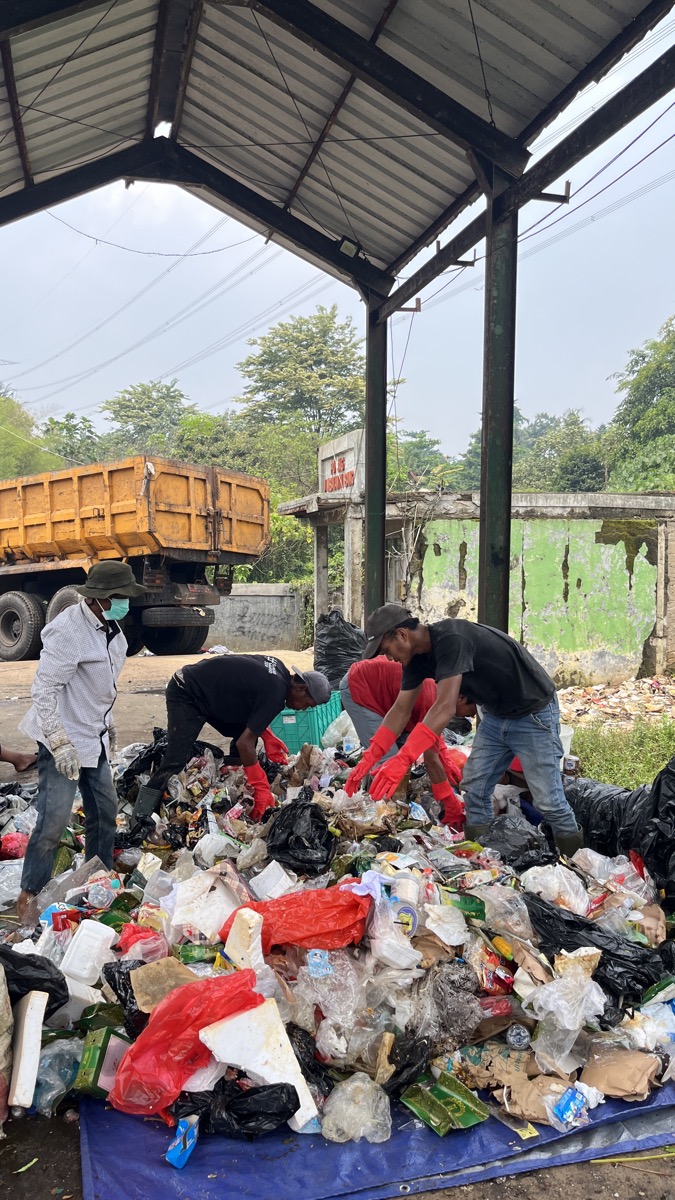
Designed an end-to-end municipal material flow diagnostic evaluating post-consumer packaging recovery, extended producer responsibility (EPR) policy compliance, and the operational integration of municipal TPS3R facilities and informal waste bank networks.
Greater Semarang & Coastal Belt
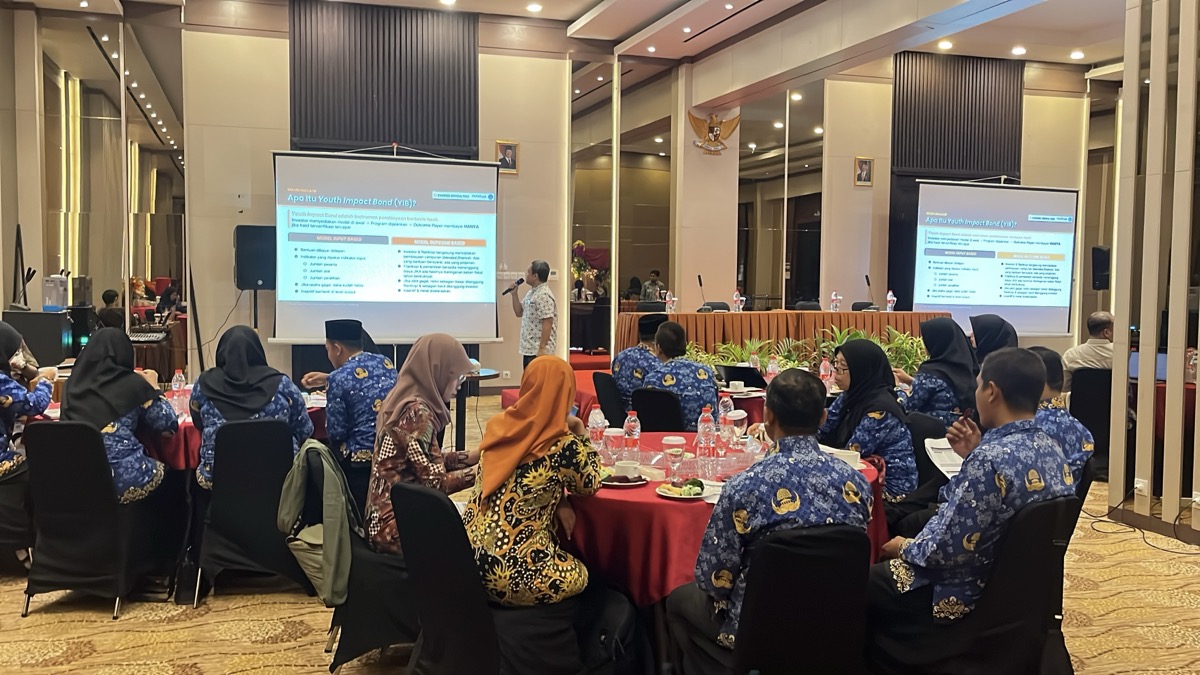
Feasibility analysis and financial engineering for an outcome-based Youth Impact Bond model transitioning out-of-school youth and young women into commercial agribusiness. Formulated verifiable outcome rate cards and a multi-tier blended capital structure.
Flores Island (8 Regencies, NTT)
Multi-district baseline diagnostic across highland and coastal agro-ecological zones. Benchmarked household dietary diversity (HDDS), minimum dietary diversity for women (MDD-W), and anthropometric child growth indices to guide multi-year rural intervention programs.
Maluku Archipelago (Seram & Banda Sea)
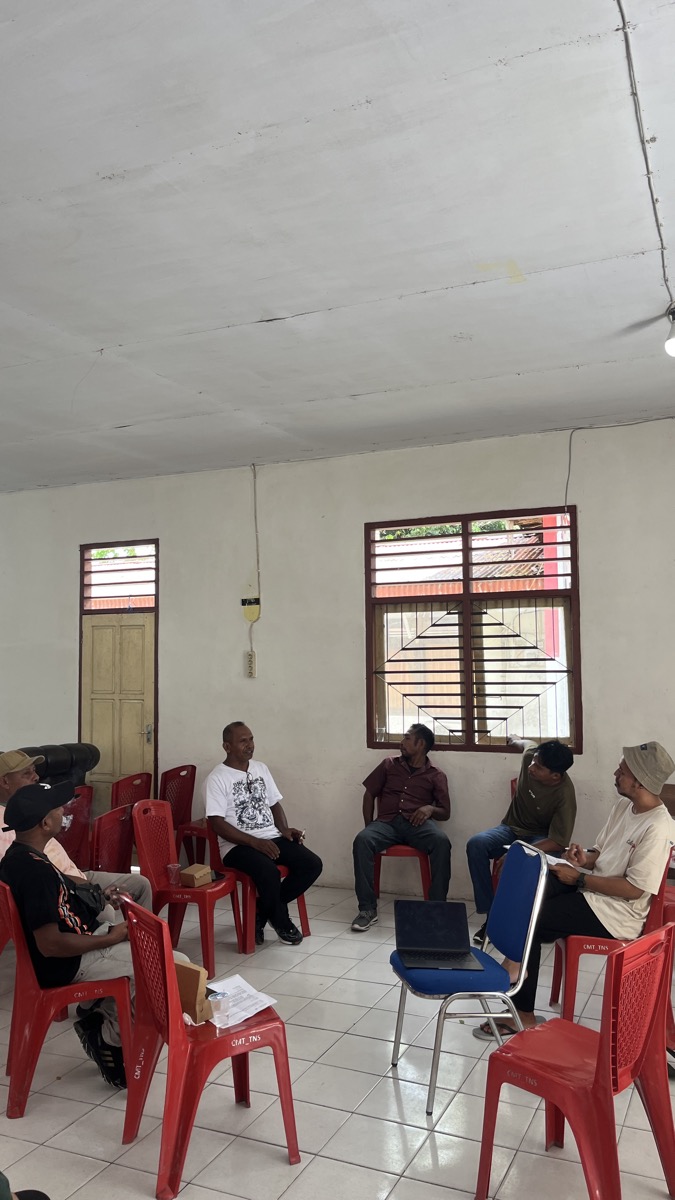
Participatory socio-ecological diagnostic assessing customary marine tenure (Adat/Sasi law), seasonal surveillance dynamics, and small-scale fishery value chains. Formulated sustainable harvest guidelines and post-harvest cold chain upgrading strategies.
Pangandaran Coastal Corridor (West Java)
Provided technical advisory to field teams and community champions to formulate evidence-based intervention architectures—constructing Theories of Change, Results-Based Management (RBM) logframes, and mentoring local leadership toward formal civil society organization (CSO) registration.
Multi-Provincial Hub (DI Yogyakarta & Central Java)
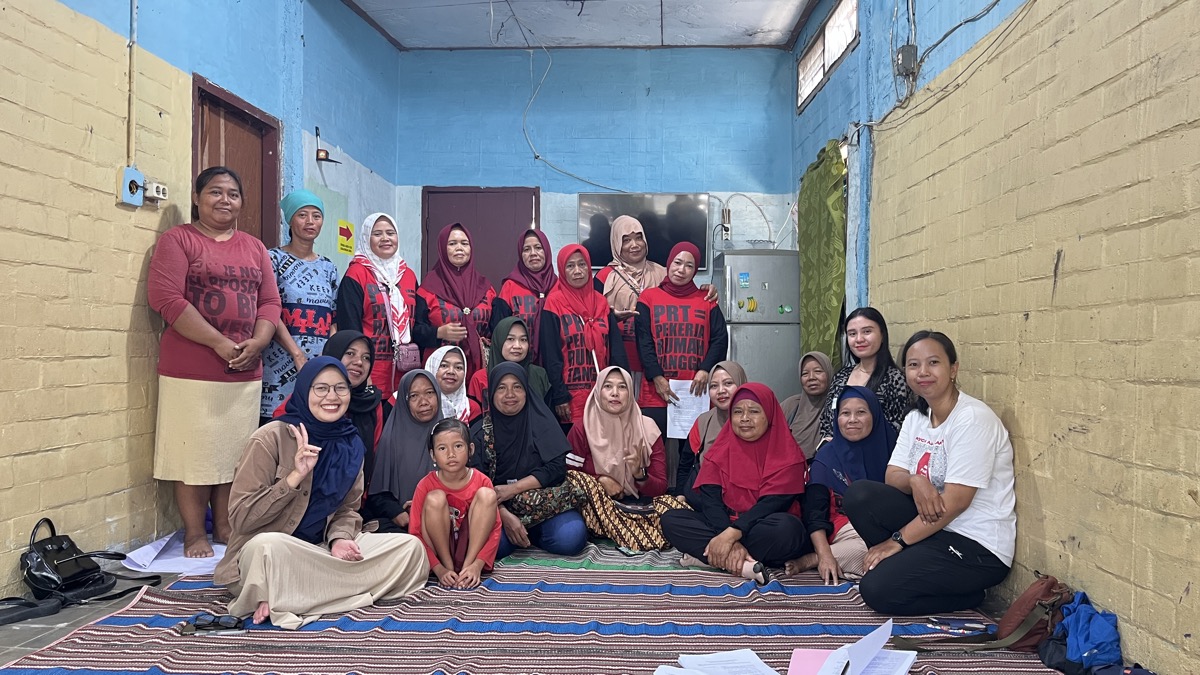
Multi-stakeholder mixed-methods diagnostic analyzing unpaid care and domestic labor dynamics. Evaluated household time allocation, community care services, and policy entry points to recognize, reduce, and redistribute care work across urban and rural demographics.
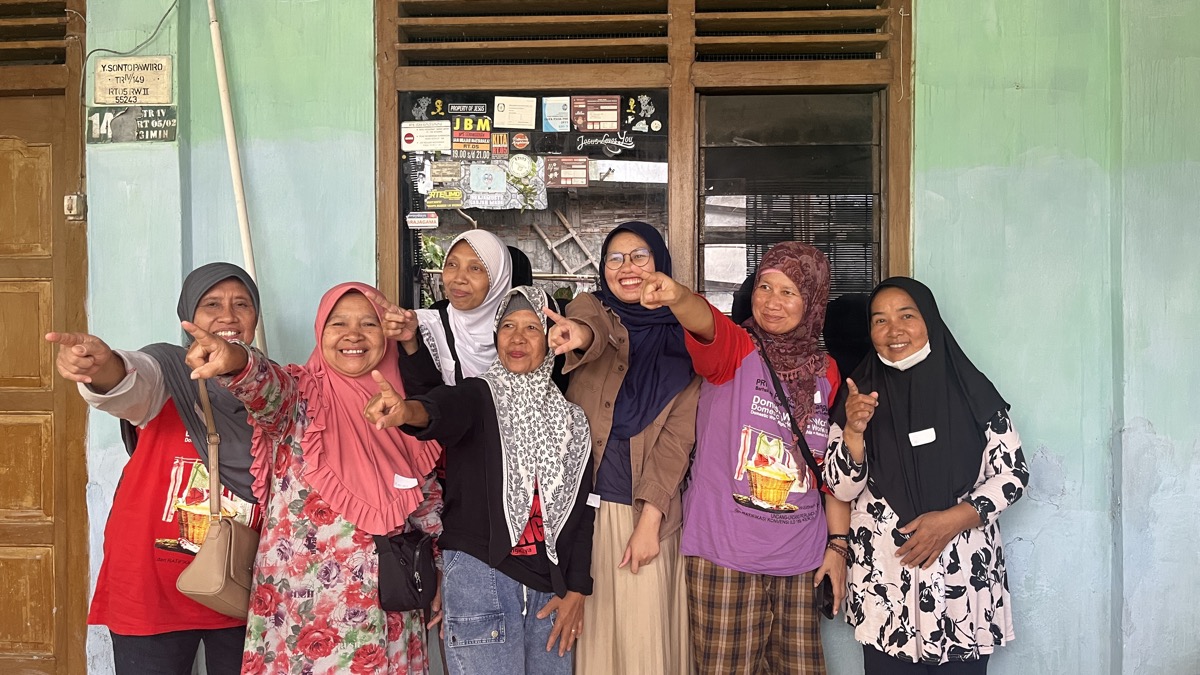
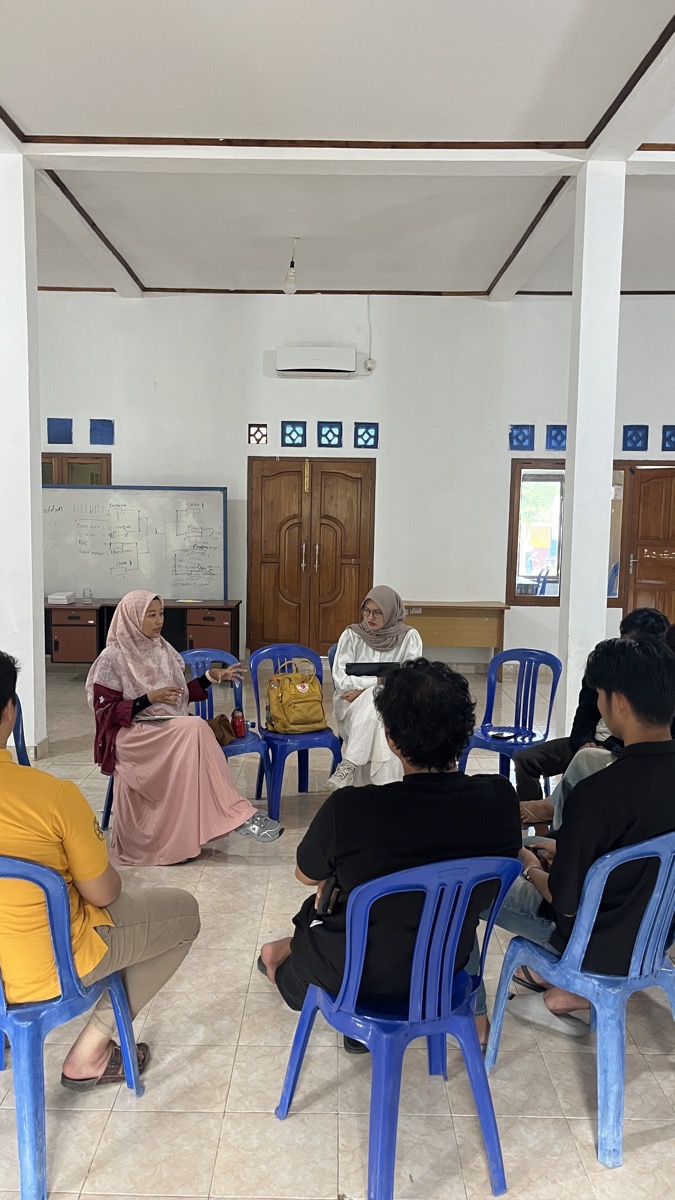
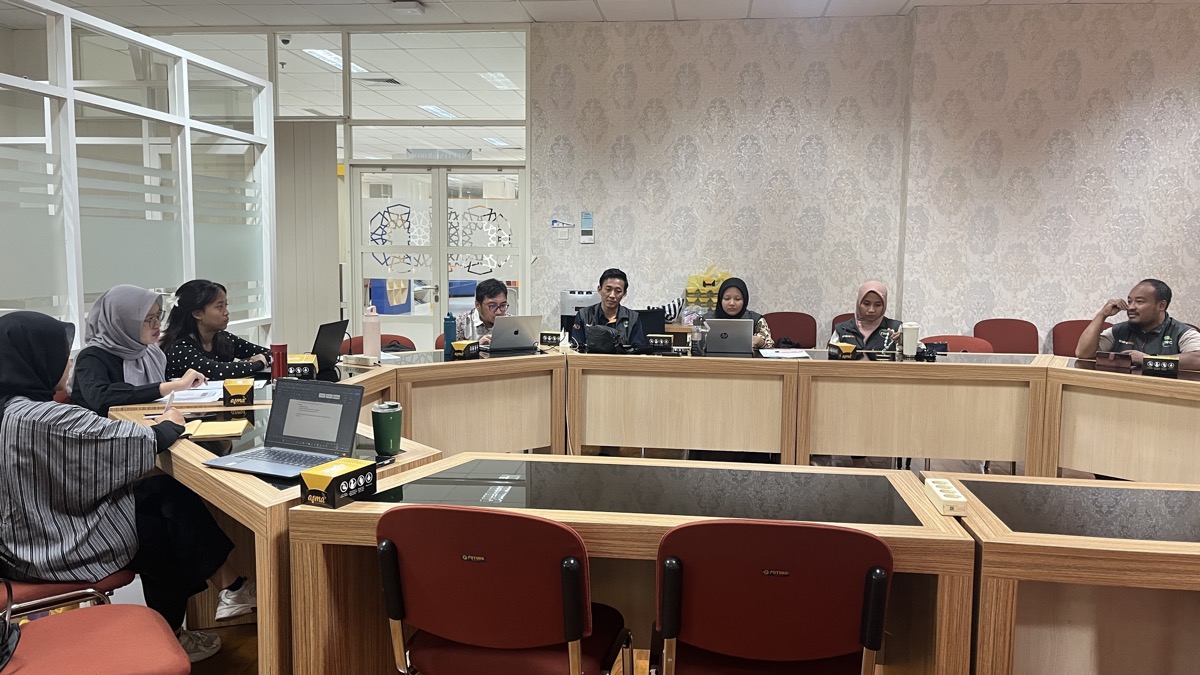
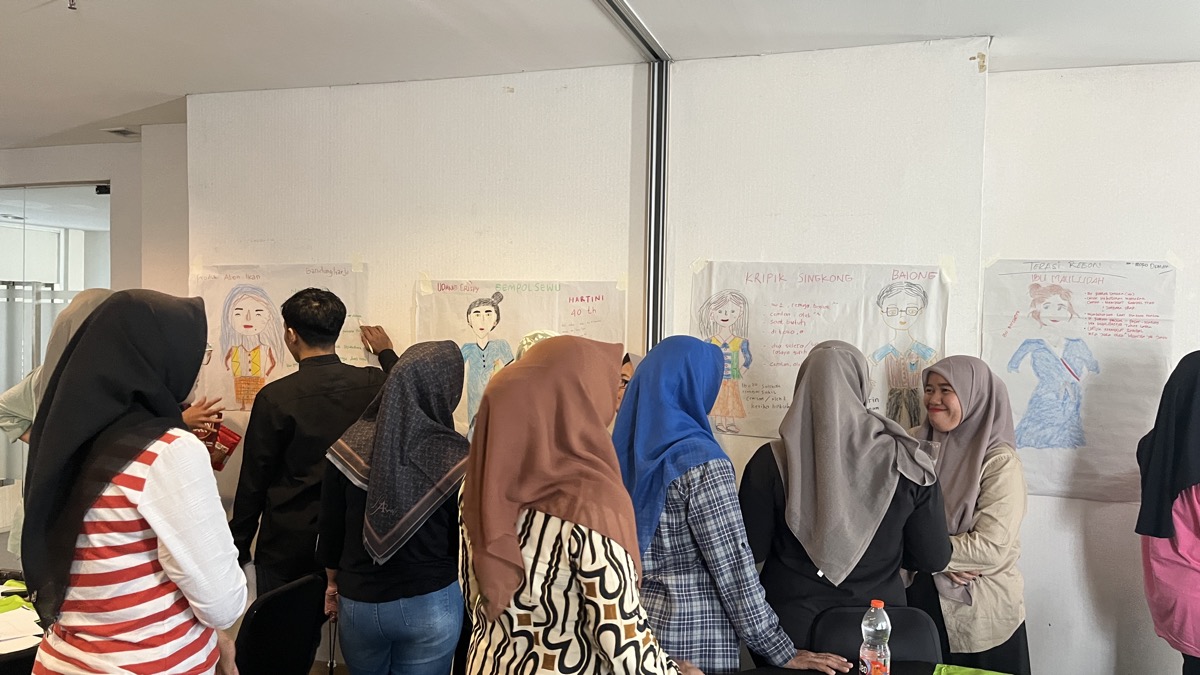
Capturing the lived realities, institutional nuances, and human stories at the heart of our research across the Indonesian archipelago.
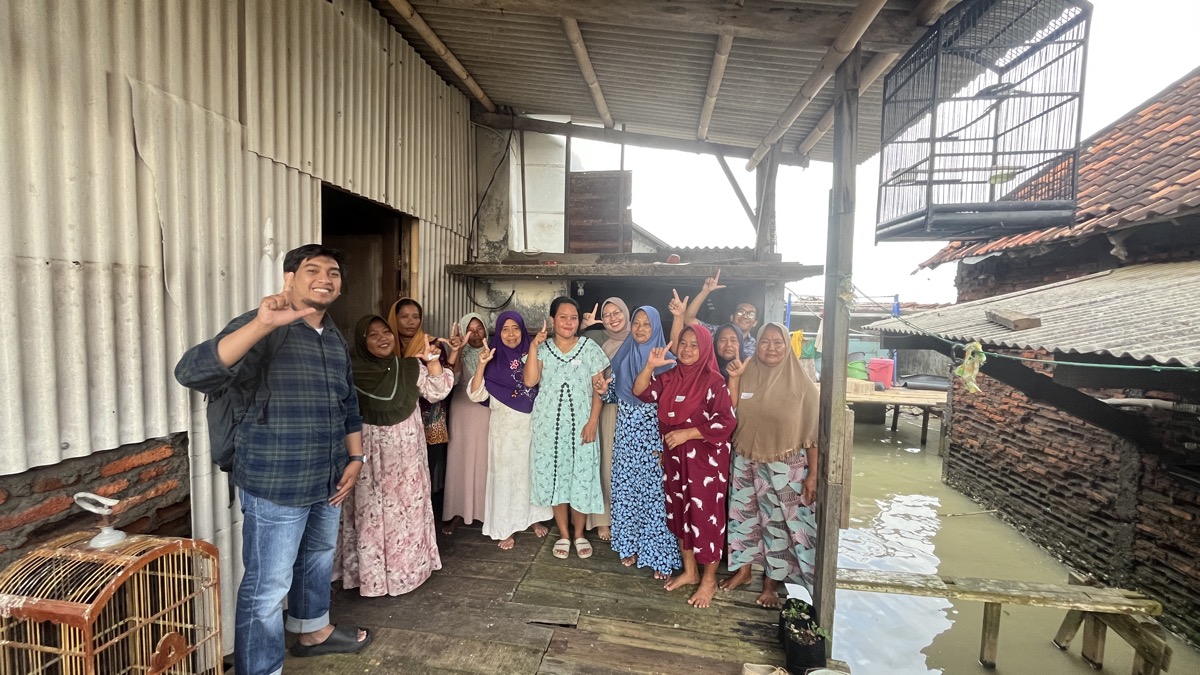
Our qualitative diagnostics revealed that physical attendance in village meetings does not equal veto power. Through participatory mapping, we helped partners identify actionable entry points for women to influence real municipal budget allocations.
Bridging academic field engagement into permanent community institutions. By facilitating Theory of Change and logframe workshops, we empowered coastal youth and community leaders to establish their own self-sustaining conservation organization.
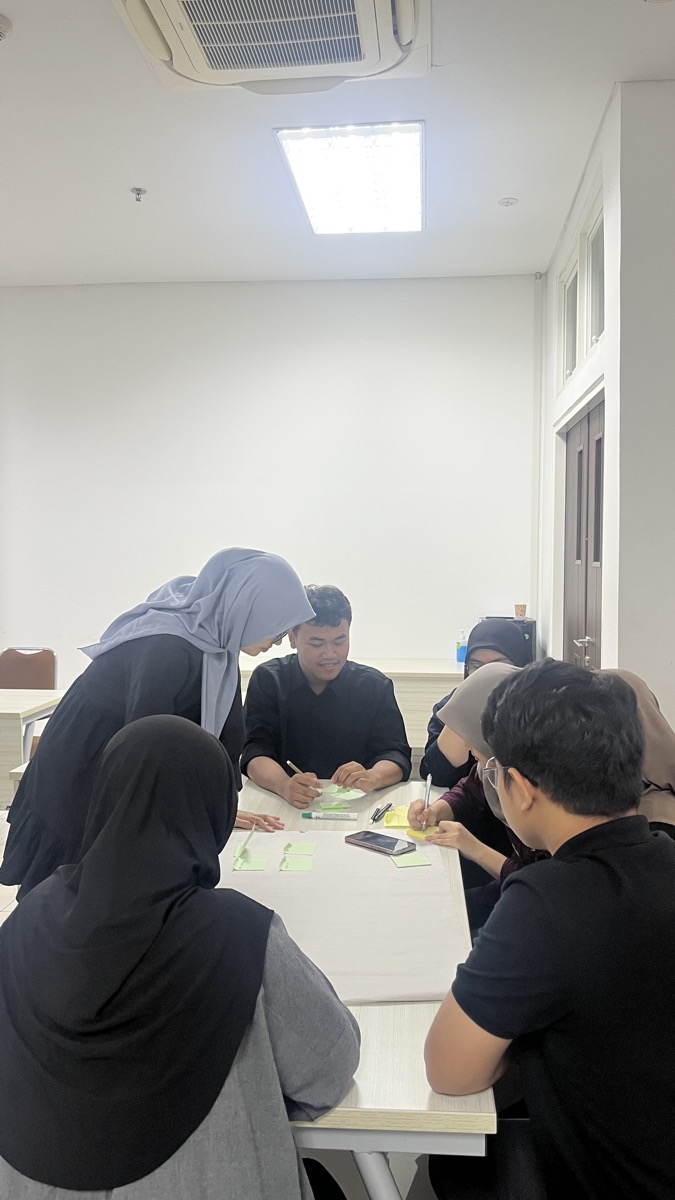
Moving beyond symbolic waste separation bins. Working across six universities in the Special Region of Yogyakarta, we evaluated institutional procurement, dining vendor packaging streams, and student recycling logistics to build practical, university-wide waste reduction guidelines.
Connecting vocational school graduates and young agripreneurs to viable commercial value chains. Designing outcome-based rate cards and blended financing models to de-risk green business transition for rural youth.
We combine gold-standard econometrics with feminist participatory frameworks to generate evidence that stands up to global donor scrutiny.
Stratified random sampling designs with Horvitz-Thompson probability weighting. Eliminating geographic bias while capturing remote vulnerable strata.
Moving beyond tokenistic headcounts to measure relational power dynamics, care burdens, and structural barriers across patriarchal and cultural gatekeepers.
Diagnosing underlying market failures and designing interventions that incentivize local private and public actors to sustain systemic changes independently.
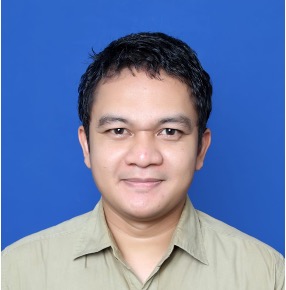
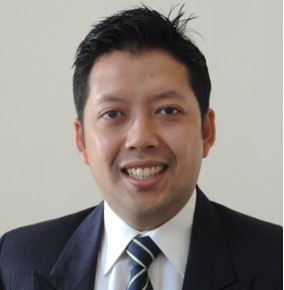
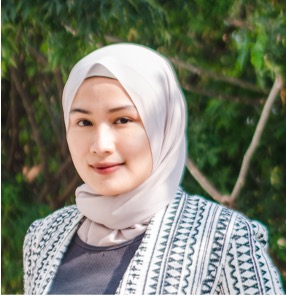
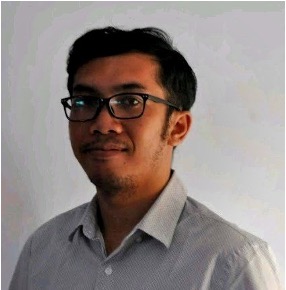
Our core consultants bring proven field credibility across econometrics, agricultural value chains, GEDSI, and environmental policy.


We maintain full institutional compliance with international donor standards, protecting vulnerable communities, data rights, and scientific integrity.
Whether designing a multi-year bilateral baseline, conducting mid-term programmatic reviews, or architecting digital monitoring systems, our senior advisory team is ready to support your mission.